Lesson 4 of 5
What To Do
JJ says most golfers do not prepare to fail, they fail to prepare. Your reviews and stats only help if they change how you practice. Organized, specific and balanced: always have a plan before going to the course.
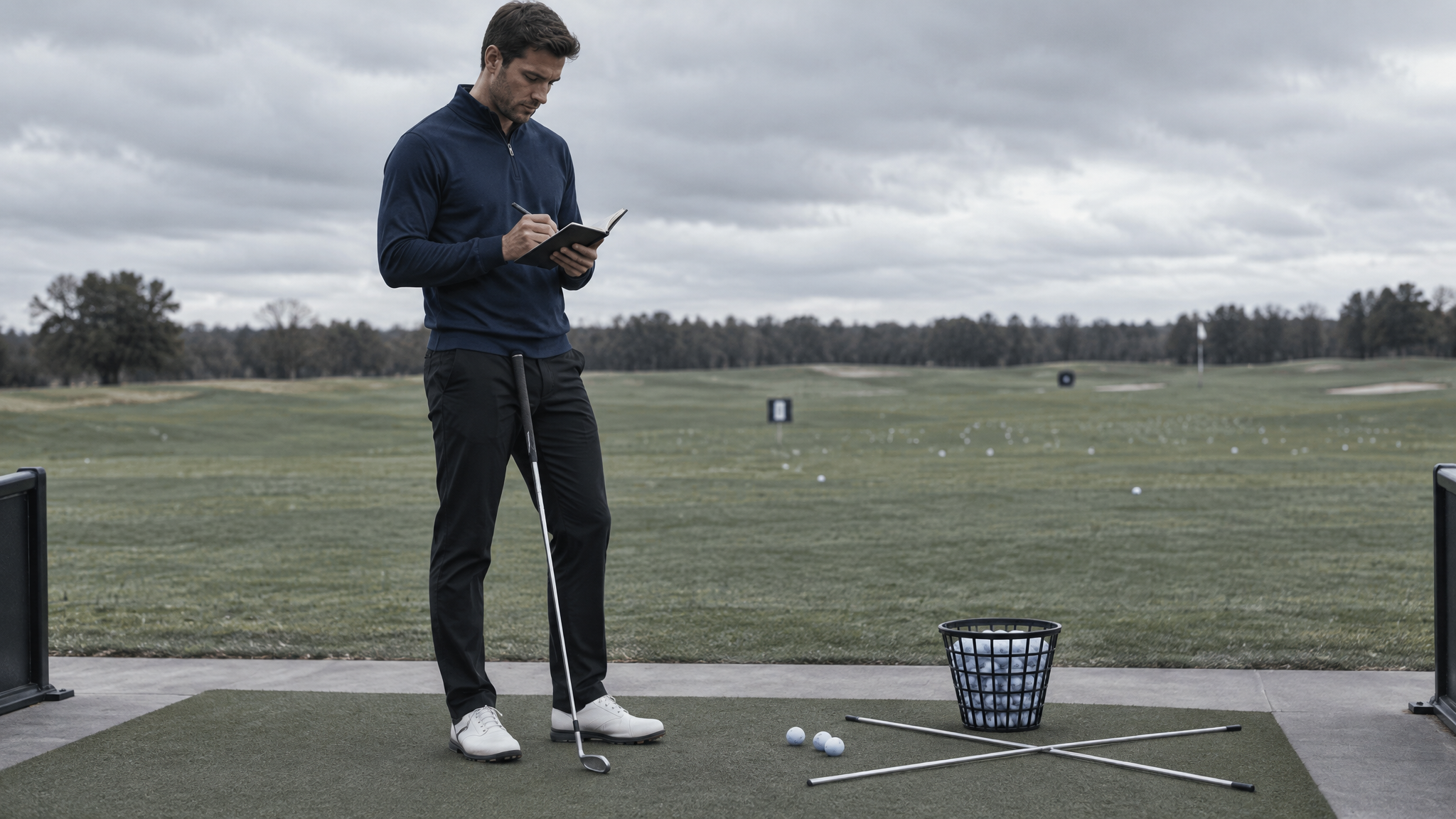
When David Gossett, a former US Amateur champion and PGA Tour winner, met JJ at Lee Janzen's house, he told him to write down his daily schedule the night before. JJ took the advice and started writing out every hour of his day, including his practice plan. His challenge to you is to write your practice plan the night before for 7 straight days, as detailed as possible. You will get a lot more done than if you show up with the plan in your head.
How To Do It
Step 1: Pick the main focus from your review
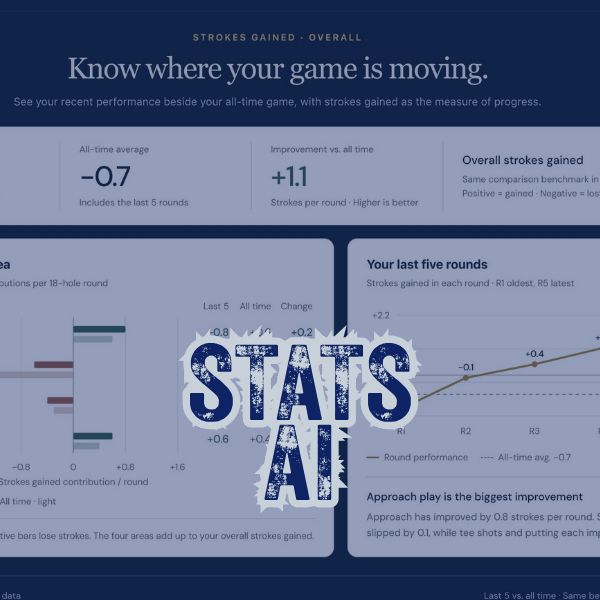
Use your stats and What I Learned Today to pick the area costing you the most shots. JJ's rule is to work 60% on weaknesses and 40% on strengths. On a full swing day, spend 60% on full swing and split the other 40% between short game and putting.
Step 2: Break it into thirds
JJ's players split a long game session into thirds. First third: fundamentals drills while switching targets, clubs and distances. Middle third: block practice on your technique. Final third: simulate the course with your pre-shot routine, one performance cue and post-shot routine on every shot, changing clubs and shots each time.
Step 3: Finish with pressure
Always finish with the game-like third, even if you mix in some block practice before it. Play 9 to 18 holes on the range, or the Island Greens Challenge. How you train is how you play.
Step 4: Get feedback after each phase
JJ has his players journal after each phase, before moving to the next. How comfortable were you? What adjustments need to happen next session? Did you complete the plan you set?
Step 5: Be honest about swing changes
JJ is clear that swing changes take 6 months or longer and feel uncomfortable for nearly a year. You need 3 to 5 one hour sessions a week plus 15 to 20 minutes of rehearsal on other days. If you do not have that time, stick with what you have and work on your short game and feel. If it is not broken, do not fix it.
Everything you save here is stored in My Playbook.
When To Use It
- The night before every practice session
- After every 5 rounds when you check your trends
- When you are thinking about making a swing change
Common Mistakes
- Showing up with the plan only in your head
- Practicing what you are already good at
- Doing technique work at the end instead of the middle
- Never finishing with game-like pressure
Practical Exercise
Practice With Purpose Breath
Use this before your first ball of every practice session. Breathe in for 4 and recall your main focus. Hold for 4. Breathe out for 4 and let go of everything else in your day. Hold for 4 and start your first third.
Pattern: 4-4-4-4 seconds, 2 cycles. The voice counts each second for you.
Ready
Takeaways
- Do not fail to prepare
- 60% weaknesses, 40% strengths
- Thirds: fundamentals, technique, game-like pressure
- Write your plan the night before for 7 straight days
- Swing changes take 6 months or longer
Reflect
Use It Next Round
Something not going right on the course?
Tell the AI Coach what happened and get exercises picked for you.
Finished the lesson? Mark it complete to track your progress.